Better a Good Journalist Than a Poor Ass: The Power of Quality Content in Today’s Digital Landscape
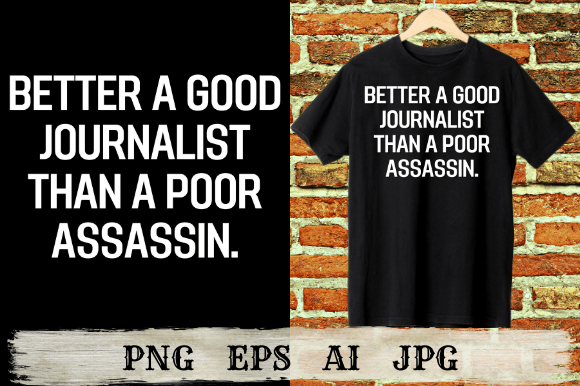
In an era where information is abundant and attention spans are fleeting, the phrase "Better a Good Journalist Than a Poor Ass" has taken on new significance. It speaks to the value of quality over quantity, truth over noise, and expertise over speculation. This principle isn’t just about journalism—it’s about content creation in all its forms. Whether you're crafting a blog post, designing a t-shirt, or developing branding materials, the essence of this adage holds true: it's always better to be skilled and authentic than to be mediocre or careless.
The digital landscape is crowded with voices, but not all are equal. A good journalist doesn't just report facts—they investigate, verify, and present them in a way that informs and engages. Similarly, a good content creator doesn't just produce something for the sake of production—they create with purpose, clarity, and relevance. This mindset extends beyond traditional media into every aspect of modern life, from social media posts to farmhouse signs and even birthday invitations.
The Role of Expertise in Content Creation
At the heart of "Better a Good Journalist Than a Poor Ass" is the idea that expertise matters. In any field, whether it's writing, design, or marketing, having a deep understanding of your subject allows you to create content that resonates. For instance, when designing a logo for a brand, a designer who understands typography, color theory, and brand identity can produce something that stands out and communicates effectively. On the other hand, a poorly executed logo might confuse customers or dilute the brand’s message.
This principle applies to more than just visual design. When writing a blog post or creating social media content, the ability to convey ideas clearly and accurately is essential. A well-researched article that provides real value to readers will always outperform one that is superficial or misleading. This is why platforms like Google prioritize high-quality, informative content in their search results—because users want to find reliable information quickly.
Why Quality Content Matters Across Industries
Quality content isn't just beneficial for journalists—it's crucial for businesses, educators, hobbyists, and creators across the board. Consider a small business owner looking to build their brand. They need content that reflects their values, speaks to their audience, and differentiates them from competitors. A poorly written website or inconsistent social media presence can turn potential customers away, while a well-crafted message can attract and retain them.
Educators also benefit from this philosophy. When creating lesson plans or teaching materials, accuracy and clarity are key. A teacher who takes the time to ensure their content is both informative and engaging can make a lasting impact on their students. Similarly, researchers and professionals in various fields rely on accurate, well-documented sources to support their work. A single mistake in data or interpretation can have far-reaching consequences.
Even in creative fields like graphic design or product development, the importance of quality cannot be overstated. Whether it's designing a t-shirt for a niche market or creating a poster for a community event, the details matter. A well-designed piece not only looks good—it tells a story, evokes emotion, and connects with the audience on a deeper level.
Practical Applications of Quality Content
The practical applications of quality content are vast and varied. Let's explore some real-world examples of how this principle plays out in different contexts:
- Business Cards: A well-designed business card with clear contact information and a professional look can leave a lasting impression. Poorly designed cards, on the other hand, may be discarded without a second glance.
- Website Design: A website that is easy to navigate, visually appealing, and loaded with relevant information is more likely to convert visitors into customers. A cluttered, poorly organized site can drive users away.
- Social Media Posts: Consistent, high-quality content on platforms like Instagram or LinkedIn can help build a strong personal or brand presence. Low-quality or inconsistent posts can damage credibility and reduce engagement.
- Product Packaging: Eye-catching and informative packaging can make a product stand out on the shelf. Poor packaging, however, can make it difficult for consumers to understand what they're buying.
These examples highlight the importance of thoughtful, intentional content creation. Whether it's a simple greeting card or a complex marketing campaign, the goal should always be to provide value and make a positive impression.
Tools and Resources for Creating Quality Content
Creativity and skill are important, but so are the right tools. There are numerous resources available to help creators produce high-quality content. For example, design software like Adobe Illustrator or Canva can be used to create logos, posters, and other visual elements. Writing tools like Grammarly or Hemingway Editor can help improve clarity and readability in written content.
Additionally, there are many online courses and tutorials that can help individuals develop their skills in areas like graphic design, copywriting, and content strategy. These resources can be invaluable for anyone looking to improve their craft and create content that truly stands out.
It's also worth noting that collaboration can play a big role in content creation. Working with others—whether it's a team of designers, writers, or marketers—can lead to better outcomes and more creative solutions. By combining different perspectives and expertise, creators can produce content that is not only high-quality but also innovative and impactful.
The Future of Content Creation
As technology continues to evolve, so too does the landscape of content creation. Artificial intelligence, for example, is already being used to generate text, images, and even videos. While these tools can be helpful, they also raise questions about originality, authenticity, and the role of human creativity.
Despite these advancements, the core principles of quality content remain unchanged. Whether it's a journalist investigating a story or a designer creating a logo, the goal is to communicate effectively and provide value to the audience. As we move forward, it's more important than ever to remember that "Better a Good Journalist Than a Poor Ass" is not just a saying—it's a guiding principle for anyone who wants to create meaningful, impactful content.
In conclusion, the power of quality content lies in its ability to inform, engage, and inspire. Whether you're a professional, a hobbyist, or someone looking to start a new project, the lessons of this principle can guide you toward success. By focusing on excellence, authenticity, and relevance, you can create content that not only meets expectations but exceeds them.